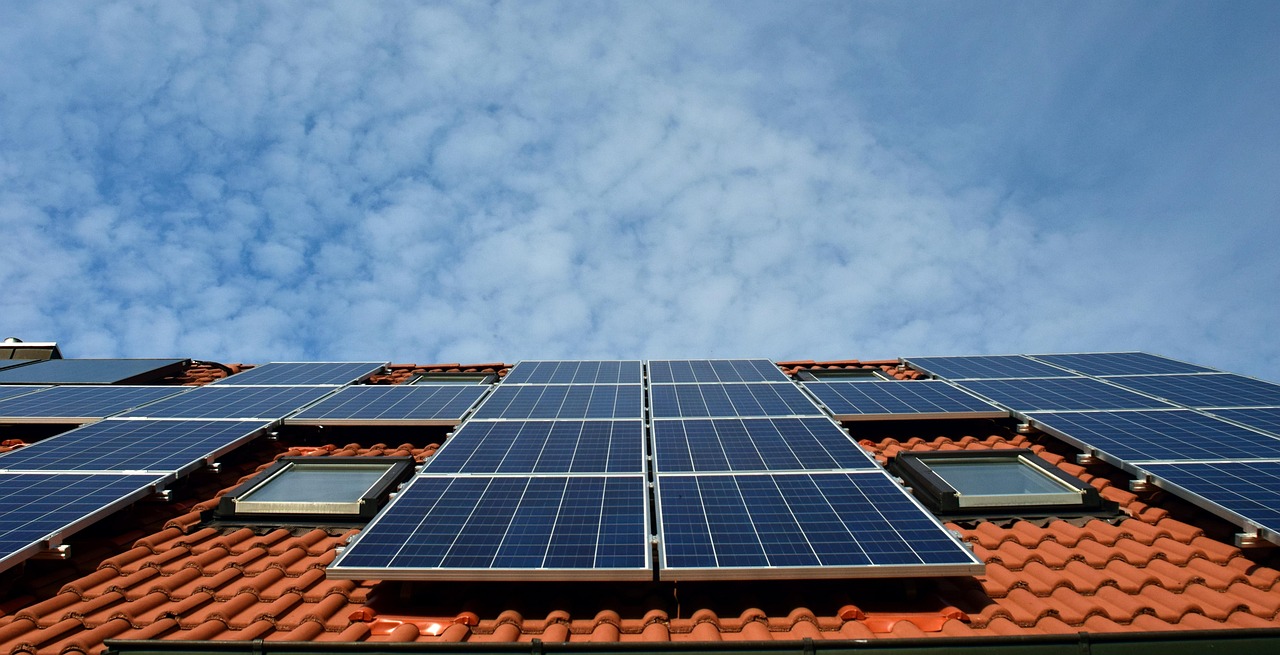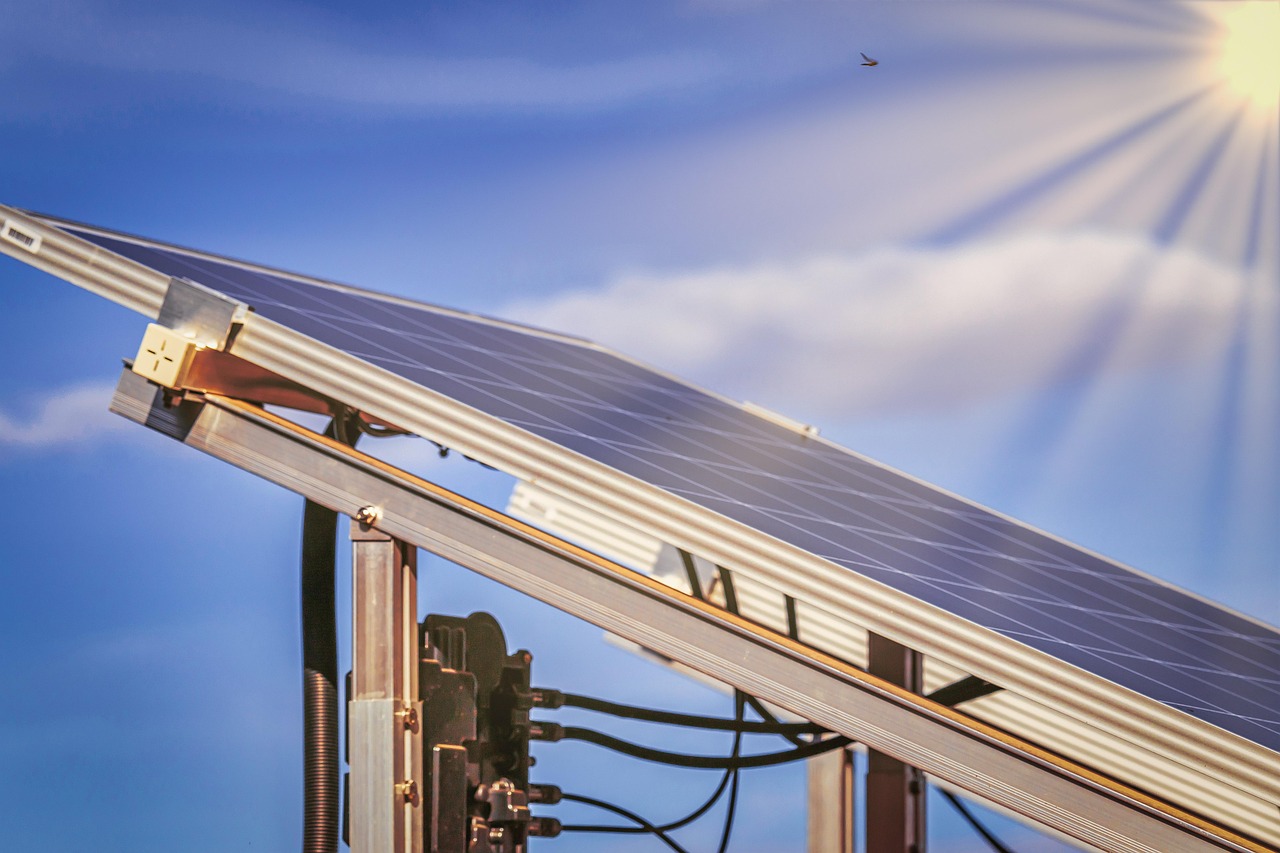
Solar panels, also known as photovoltaic (PV) cells, are an integral part of the renewable energy landscape. They convert sunlight into electricity through a process involving solar energy that creates a flow of electric current. By understanding how solar panels work and the benefits they bring, homeowners can make informed decisions about installing a solar power system for their own energy needs.
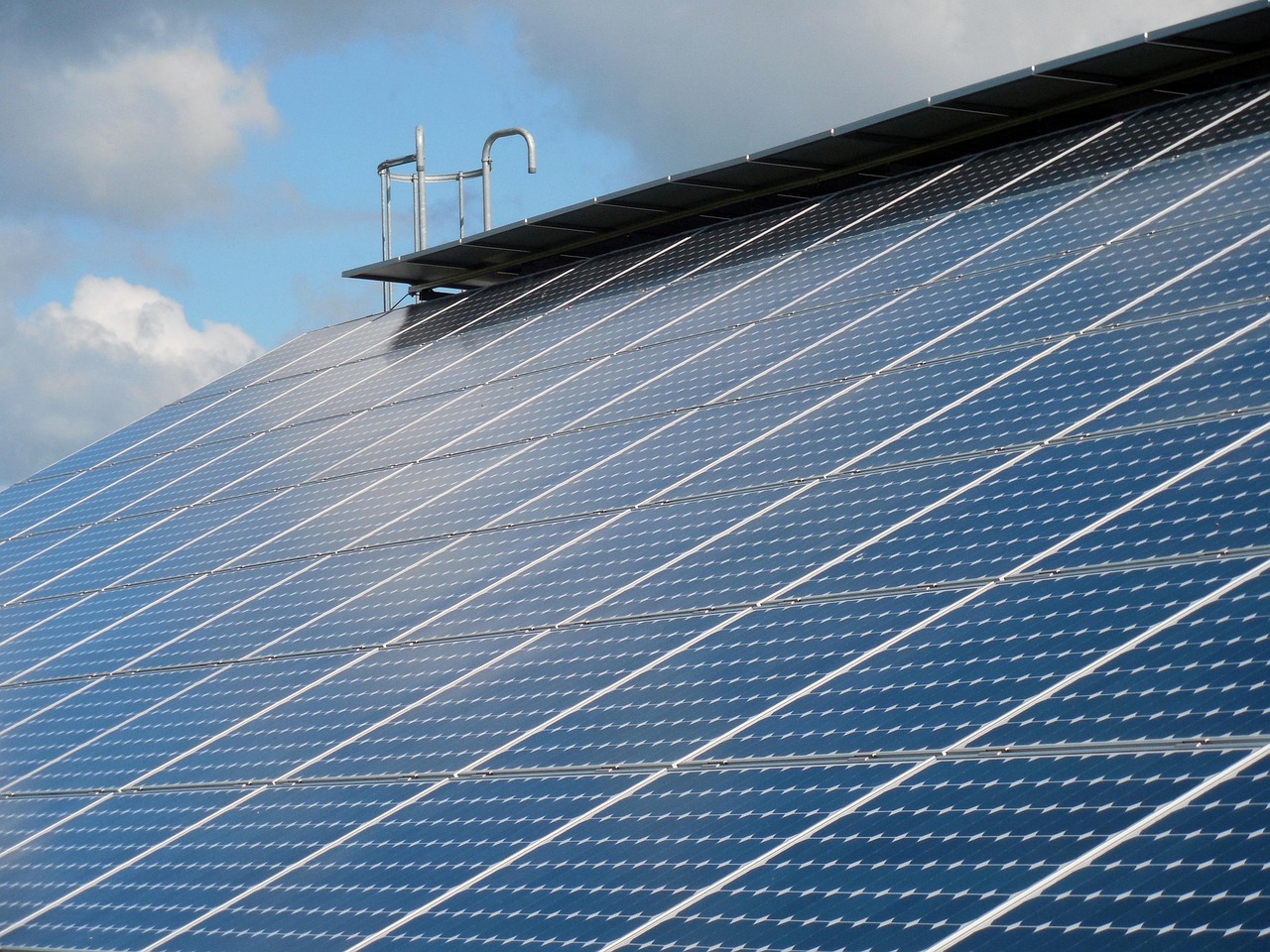
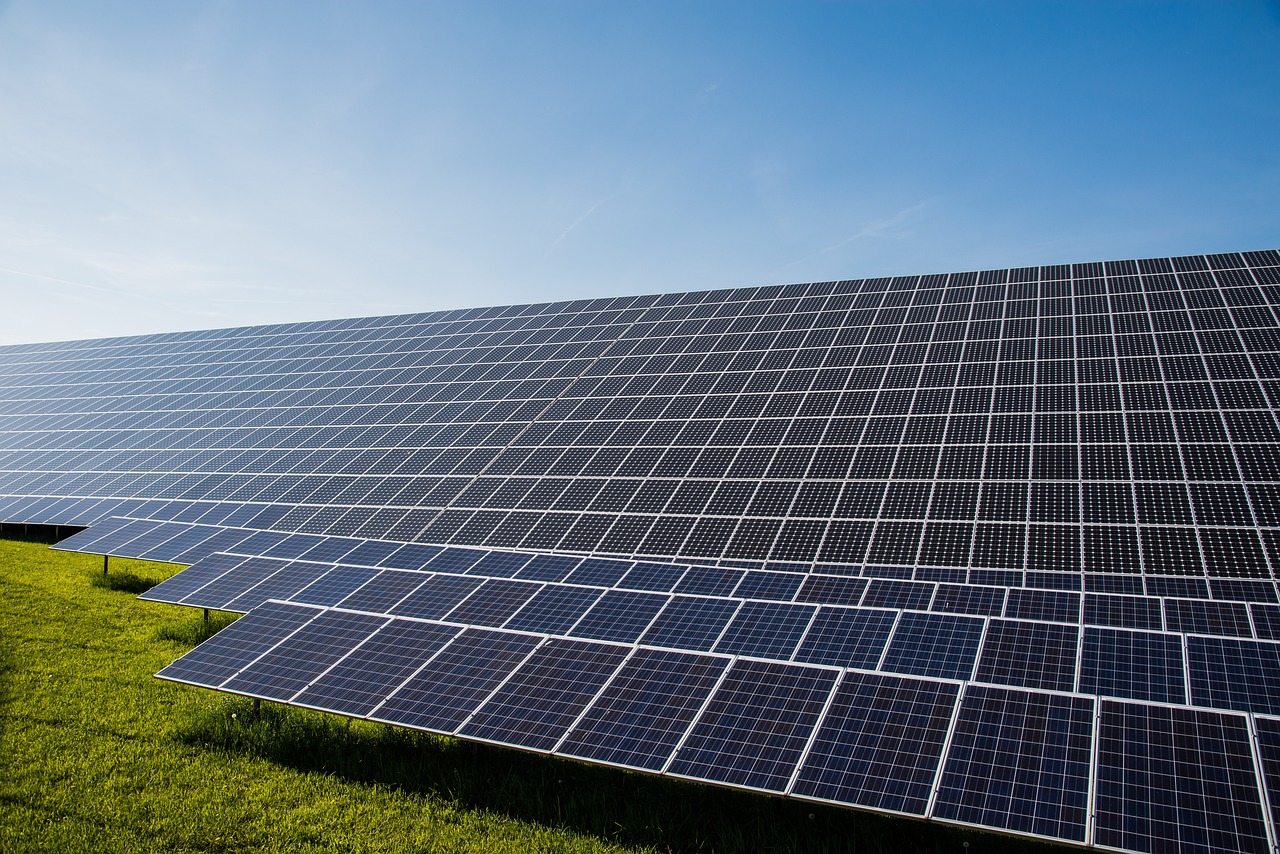
At the heart of every solar installation are solar modules organized in a solar array. These modules consist of several photovoltaic cells that work collaboratively to harness solar energy efficiently. Different configurations exist, from grid-tied systems to off-grid solar installations, allowing for versatile solutions depending on homeowner needs and energy strategies.

A grid-tied system connects directly to the local utility grid, allowing homeowners to draw electricity when solar generation is low and to send excess electricity back to the grid. This setup is particularly relevant in areas with favorable net metering policies, where utility companies pay for surplus energy fed back into the grid, contributing to energy efficiency and sustainable energy goals.
For those looking for more independence from the grid, off-grid solar systems are another option. Often paired with energy storage solutions, such as battery storage, these systems provide self-sufficiency for energy needs, especially in remote areas. Homeowners can install a solar inverter to convert the direct current (DC) generated by solar panels into alternating current (AC) for home use. This addition further enhances the performance of the solar power system.
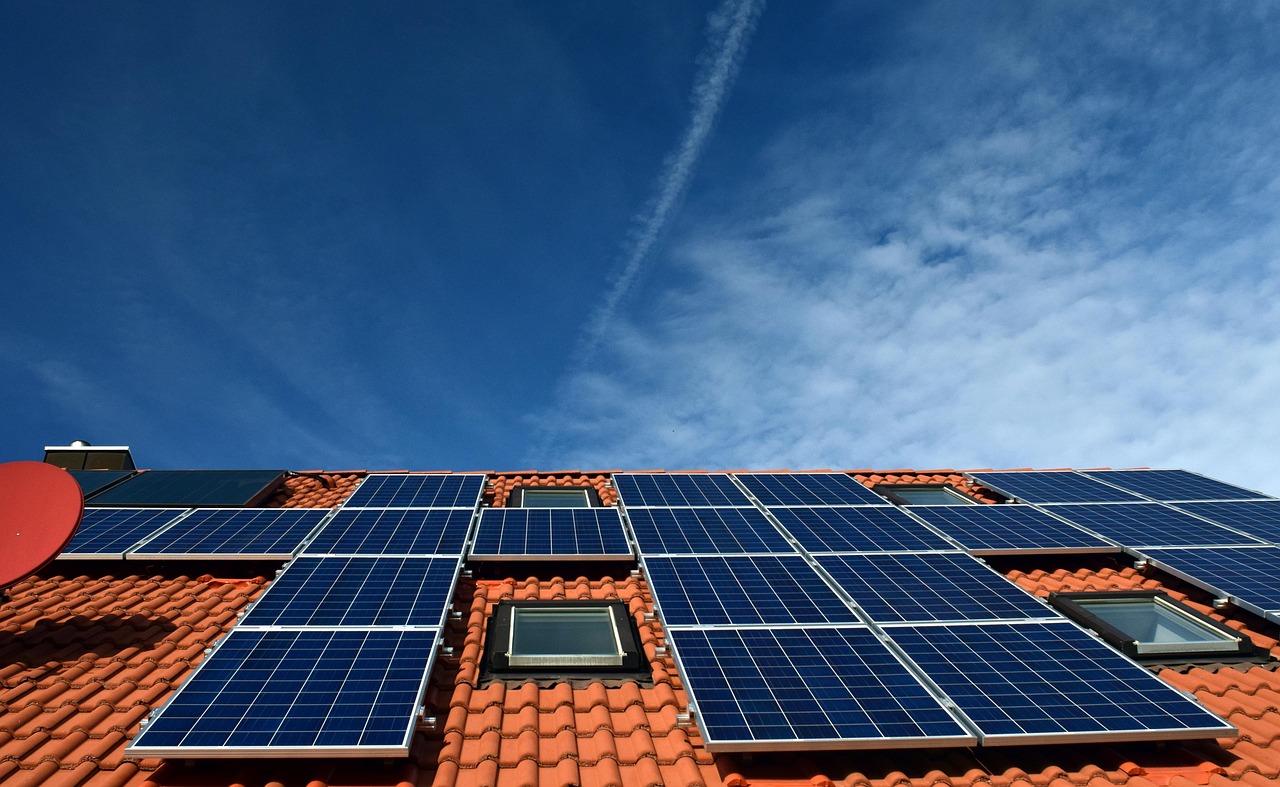
When considering a solar installation, homeowners should evaluate their energy usage patterns, roofing conditions, and potential shading from trees or buildings to optimize solar panel placement and ensure maximum solar performance. Additionally, consulting with professionals for the dimensioning of the solar array assures that the system is tailored to meet specific energy needs efficiently.
Passez à la vitesse supérieure
Profitez dès maintenant d'une installation de panneau solaire en anglais clé en main, éligible aux aides de l'état.
Vérifier mon ÉligibilitéCosts associated with solar panels can vary widely based on factors like roof modifications, the type of solar technology chosen, and installer fees. However, the financial benefits of solar energy are significant. Homeowners can reduce their electricity bills, and with incentives like government grants for solar energy, the upfront costs can become even more manageable. Accessing tools like devis en ligne PAC can assist homeowners in estimating project costs while exploring financing options for solar installations. Furthermore, some government initiatives promote free solar options for low-income households, providing access to clean energy.
Besides financial savings, the environmental advantages of transitioning to solar energy cannot be overstated. Using clean energy helps reduce greenhouse gas emissions, supporting global efforts against climate change. Solar technology represents a sustainable solution, promoting energy independence and resilience against fluctuating fossil fuel prices.
Moreover, with the rise of electric vehicles (EV), integrating systems like installation borne électrique becomes increasingly relevant. Homeowners can equip their homes not just with solar panels, but also with charging solutions for EVs, making the entire home energy system more interconnected and efficient.
In conclusion, solar panels offer an excellent opportunity to harness renewable energy, promoting self-sustainable living and reducing utility costs. By researching options, including the prospect of free government programs, and ensuring the system is correctly sized to meet individual energy demands, homeowners can take meaningful steps towards a cleaner, more efficient energy future.
Foire aux questions
1. What are solar panels?
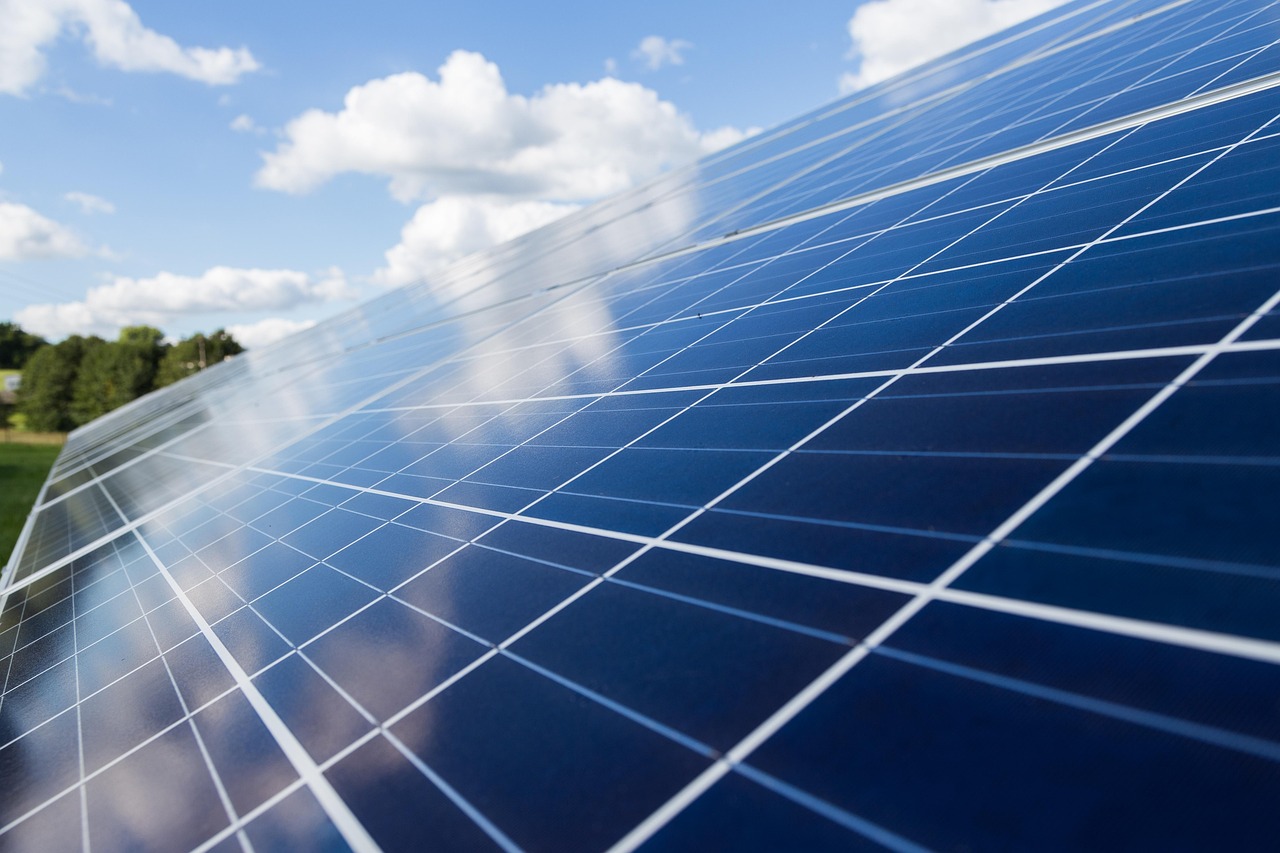
Solar panels are devices that convert sunlight into electricity using photovoltaic cells. They are a crucial component of solar power systems that harness renewable energy.
2. How does a solar power system work?
A solar power system generates electricity from sunlight and can either supply power directly to a home or feed excess power back to the utility grid, depending on whether it's a grid-tied or off-grid system.
Vos travaux de panneau solaire en anglais au meilleur prix
Comparez nos tarifs et profitez d'une installation aux normes, rapide et au meilleur rapport qualité/prix.
Voir les Tarifs3. What is net metering?
Net metering is a billing arrangement that allows solar panel owners to receive credits for the surplus energy they produce and send back to the grid, which can offset future electricity bills.
4. Are there financial incentives for installing solar panels?
Yes, various financial incentives, including tax credits, rebates, and government grants for solar energy, are available to reduce the cost of installation and encourage the adoption of renewable energy sources.
5. What is battery storage in solar installations?
Battery storage is a technology that allows homeowners to store excess solar energy generated during the day for use during the night or during periods of low sunlight, enhancing energy independence.
6. Can I charge my electric vehicle with solar energy?
Yes, homeowners can install charging stations for electric vehicles that utilize solar energy, making their entire energy system more efficient and sustainable.